

The New Obesity Pills: What to Know?
The New Obesity Pills: What to Know?
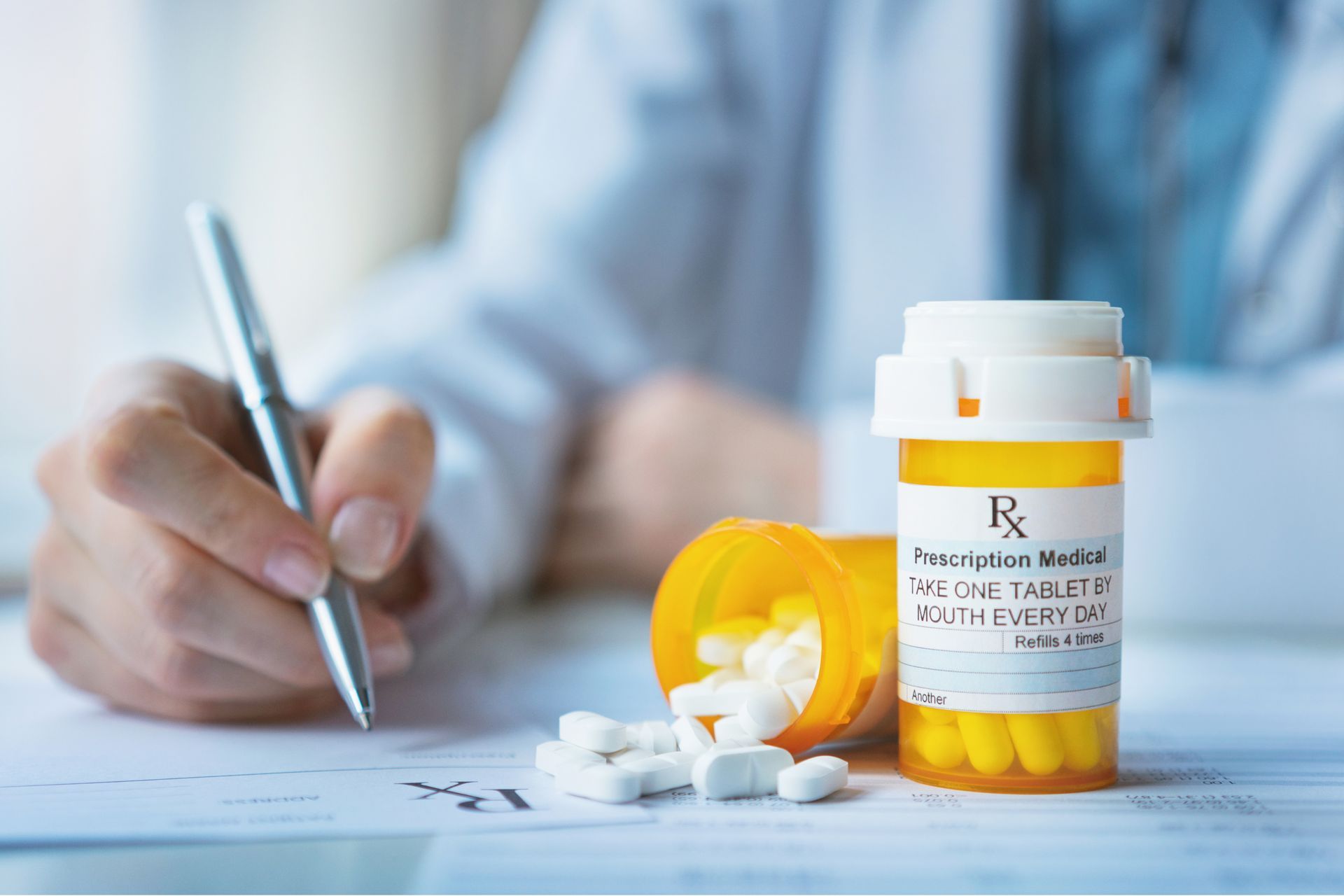
Injectable weight-loss medications like Wegovy and Zepbound have transformed obesity treatment, but weekly shots aren’t ideal for everyone. Concerns about needles, convenience, and cost have fueled excitement around a new option now on the horizon: obesity medications in pill form.
Two oral obesity drugs are expected to reach FDA approval soon, potentially as early as 2026. One is being developed by Novo Nordisk and contains a higher-dose version of semaglutide—the same active ingredient found in Wegovy and Ozempic. The other comes from Eli Lilly and uses a different compound, called orforglipron, created specifically for oral use.
Unlike injectable medications taken once a week, these new treatments would be taken daily. Creating effective pills hasn’t been easy. Some weight-loss hormones break down quickly in the stomach, so drugmakers have had to engineer formulations that allow the medication to survive digestion and be absorbed into the bloodstream. As a result, certain pills must be taken on an empty stomach.
In terms of effectiveness, studies suggest that the pills work—but not quite as well as injections. Oral semaglutide has shown weight loss results similar to some injectables at higher doses, while Eli Lilly’s pill has produced more moderate average weight loss. Side effects are also similar, most commonly nausea, diarrhea, and other gastrointestinal symptoms.
Cost is one of the biggest reasons these pills are generating buzz. Injectable obesity drugs often cost more than $1,000 per month without insurance. Because pills are generally easier and cheaper to manufacture, experts expect lower prices. Early estimates suggest oral obesity medications could be sold directly to consumers for around $149 per month, with the potential for even lower costs if insurance coverage improves.
The pills will be FDA-approved for adults, so Wegovy injectable medication will continue to be the most effective FDA-approved weight loss medication for teenagers.
Like the injectable options, these oral medications are intended to be used alongside a reduced-calorie diet and increased physical activity—not as a standalone solution. These drugs are not appropriate for everyone, including people with certain medical conditions or a history of specific endocrine cancers. Therefore, it is critical to speak with your healthcare provider, who can help determine whether these medications are appropriate based on your medical history, goals, and tolerance.
Overall, obesity pills could expand access to treatment for millions of people. While they may not fully replace injectables, their convenience and lower price point could make them a valuable new option in obesity care.